ABOUT: In the fast-paced, sometimes wacky world of logistics we come across fun cross docking projects that are short-term in nature. Refused loads, last minute requests….in the Porter Logistics mantra of “always flexible,” we’re happy to answer the bell for our compatriots in the logistics industry. Cross docking in Atlanta is a critical component of JIT (Just in time) Logistics that creates efficiencies in the supply chain by avoiding storage costs. Loads come in by container, are put on the “Cross dock,” and then inventory is apportioned to outgoing deliveries for their final destination. Typical time on the dock is less than 48 hours (for more info on Cross Docking, go here.) Note that the Cross Dock Chronicles are written tongue-in-cheek, often poorly written, and commentary should rarely, if ever, be taken literally.
Project 1: The MONSTARS are COMING
For a lot of 90’s kids, including this writer, Michael Jordan and his transcendent work – Space Jam, was a childhood retreat into the world of sport and fantasy. If you’re unfamiliar with the plot, Space Jam is the tale of an epic struggle against inter-planetary aliens, The MONSTARS. The format? Basketball game. The stakes? The future of the human race. Michael Jordan, along with Bugs, Bunny, Daffy, Duck, and the incomparable Bill Murray save humanity from enslavement through their ability to persevere through struggle and wholesome mastery of the alley-oop.


Notwithstanding the transparent cash grab by Warner Brothers (in this writer’s opinion) to remake the timeless classic……wait a second, isn’t this column about Logistics & Cross-docking? Let’s back on track.
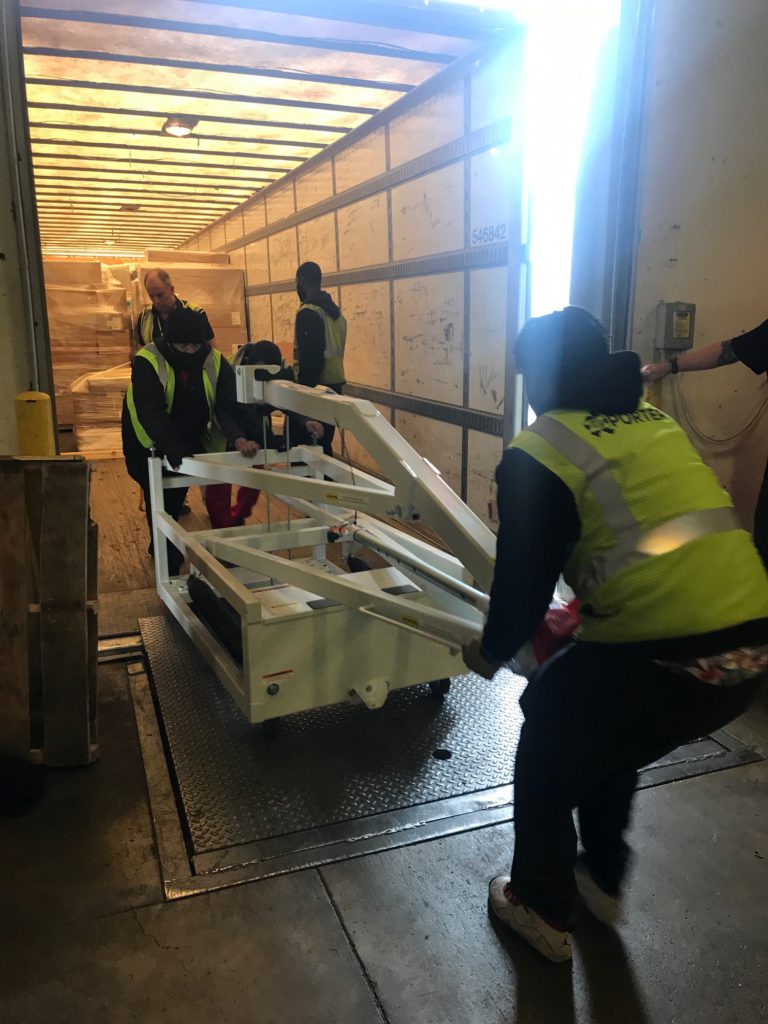
When Warner Brothers (not really), called Porter Logistics – they were in desperate need to house props (disclaimer, this is not true) for the assuredly inferior remake (almost assuredly true) for the new Space Jam. Some basketball goals had been tied up and needed a home so that the bean-counters could figure where to house these next. The team hopped on it, said a prayer to the unquestioned GOAT (MJ if anyone is wondering), and got to work. The hardware was off-loaded with tender care and then reloaded safely and securely.
Project 2: The Claw is Law
Can you say “perfect timing?” After a long, nasty 2020 beset by COVID-19, 2021 is sure to be a year of hope and is there anymore indication that a return to normalcy is coming than stores starting to ramp up their stock of White Claw?
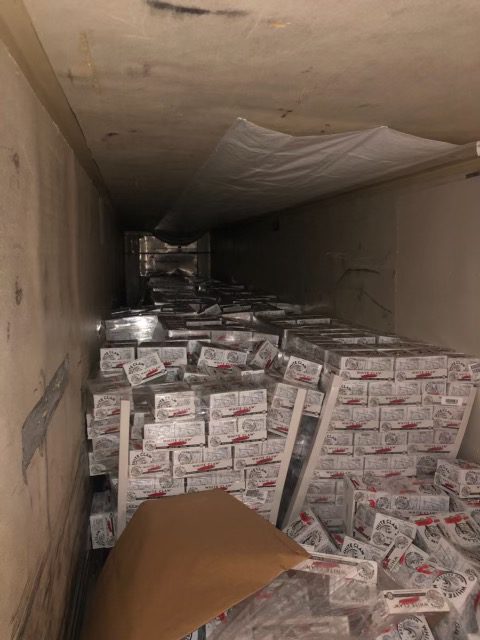
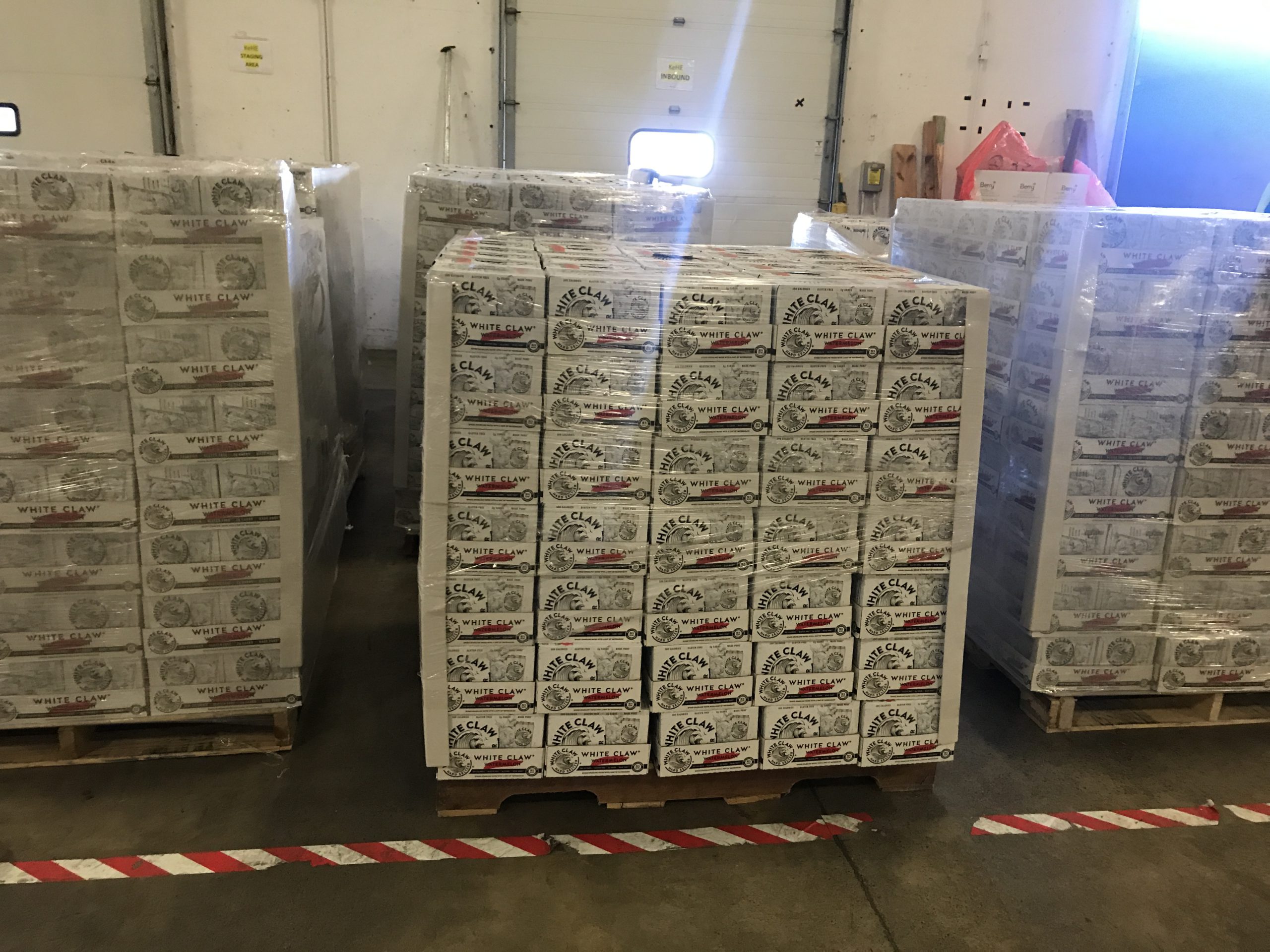
Porter Logistics got the call from our exceptional freight brokerage friends, Total Quality Logistics. A driver had an alcoholic seltzer problem that needed fixing, namely some pallets has disintegrated and needed rebuilding and rewrapping. Our team didn’t hesitate to answer the bell, practically salivating at the opportunity to rebuild pallets full of that sweet sweet nectar of ATL pool party season.
We could hear phantom Lana del Ray pumping through the walls, the primal urge to turn Porter Logistics’ into a warehouse rave party tempered by the realization that this would violate the five “S’ of lean warehousing (Sort, Set, Shine, Standardize, Sustain) as enforced by our inimitable Director of Operations. Sigh. We’ll have to settle for enabling all of you degenerates to enjoy your BBQ’s and pool days.
Project 3: The Canadiens are Coming, The Canadiens are Coming
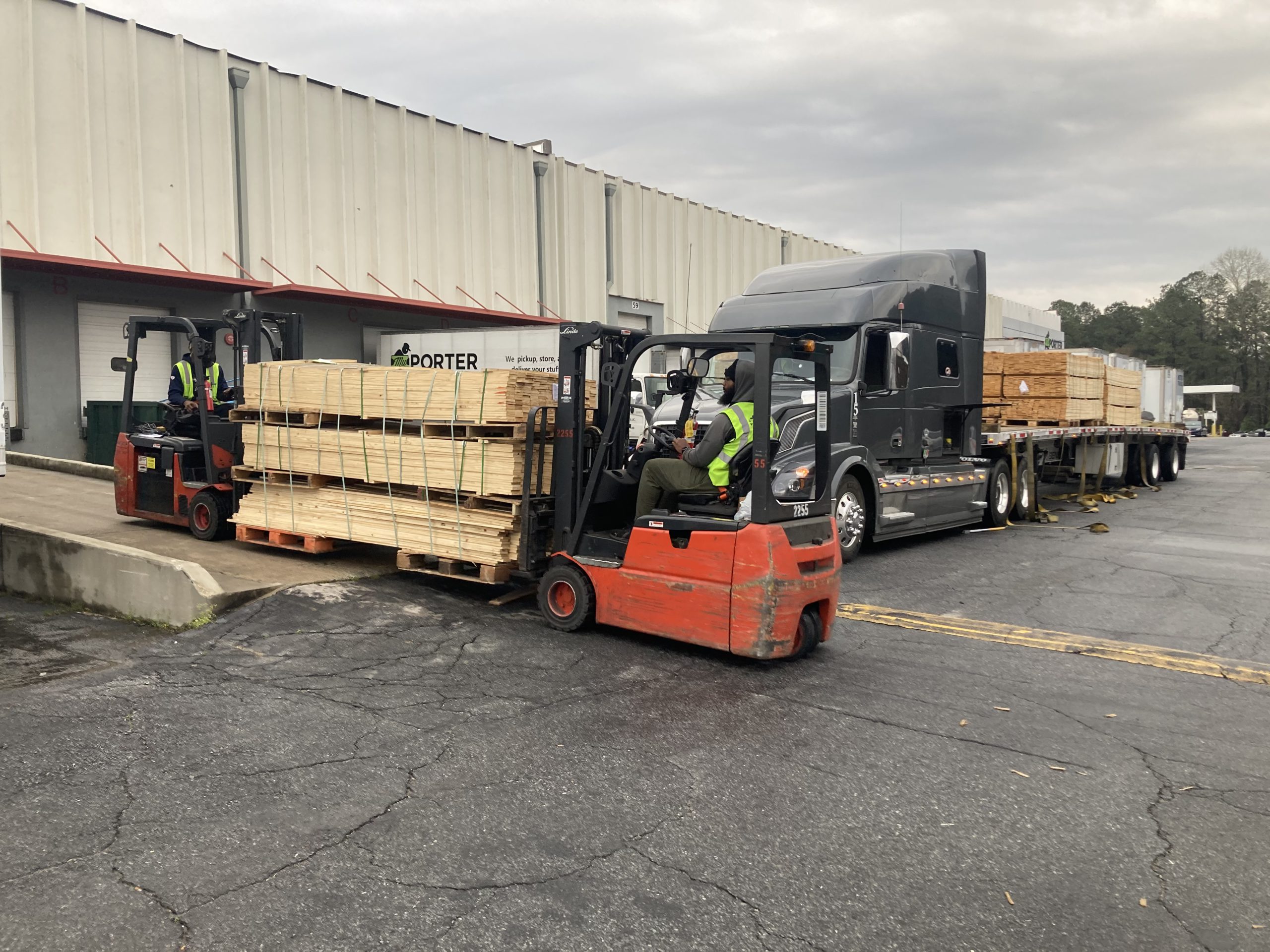
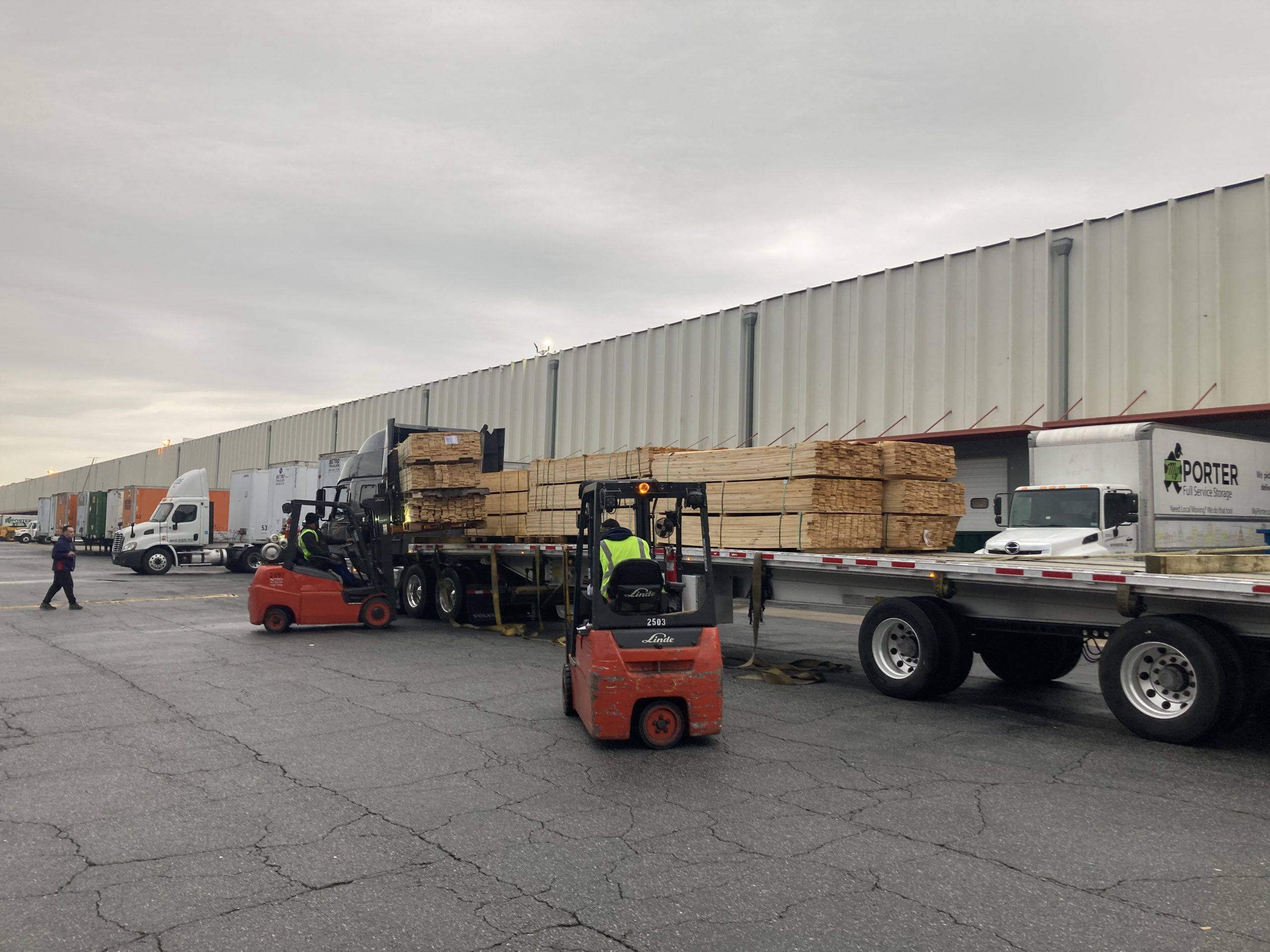
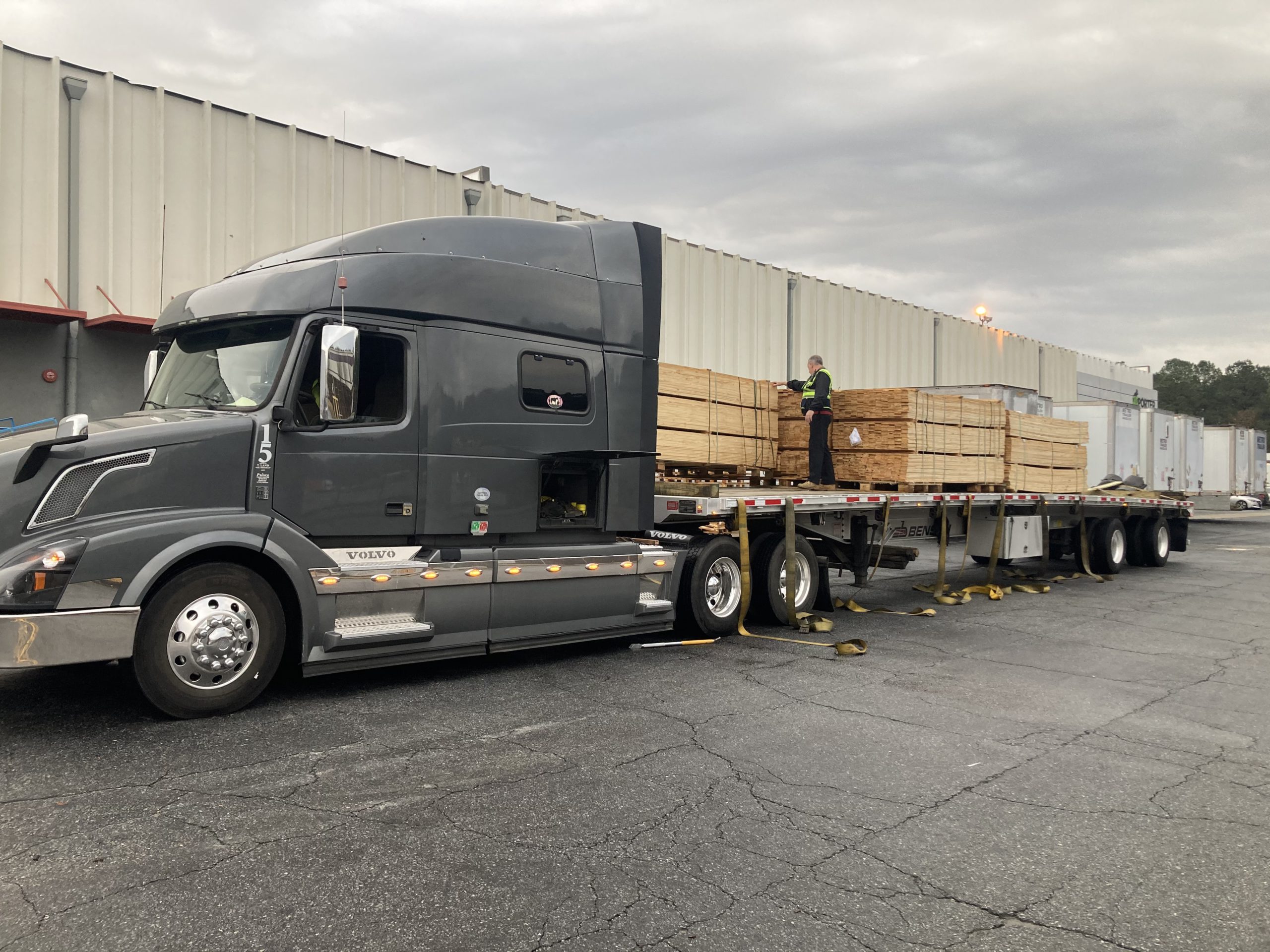
Paul Bunyan, famed 8 foot-tall, 300 pound French-Canadian lumberjack with a penchant for incredible feats of strength, would have been proud of the Porter-Logistics team for handling our client’s product with the deft hand of a full-time woodsman. No, we’re not talking about Maple Syrup – but that #1 export of our neighbors to the North, Grade-A Lumber.
Our client required a number of specialty services: non-standard pallets, fork-lifting simultaneously in tandem, and banding services to ensure their precious cargo didn’t get loose in transport. Paul undoubtedly would have been confused by the flat-bed trailer in lieu of his trusty sidekick “Babe,” the blue ox. A sign of the times Paul, a sign of these modern times.
Another day, another dollar (US Dollar, that is).
As Paul, would say “au revoir” – until next time kids.
The Porter Logistics Team
In the logistics industry, our vendors are everything. The difference in a happy or unhappy customer. A profitable engagement or a money loser. In the spirit of celebrating our local vendors, we celebrate them and the value they bring to our industry.
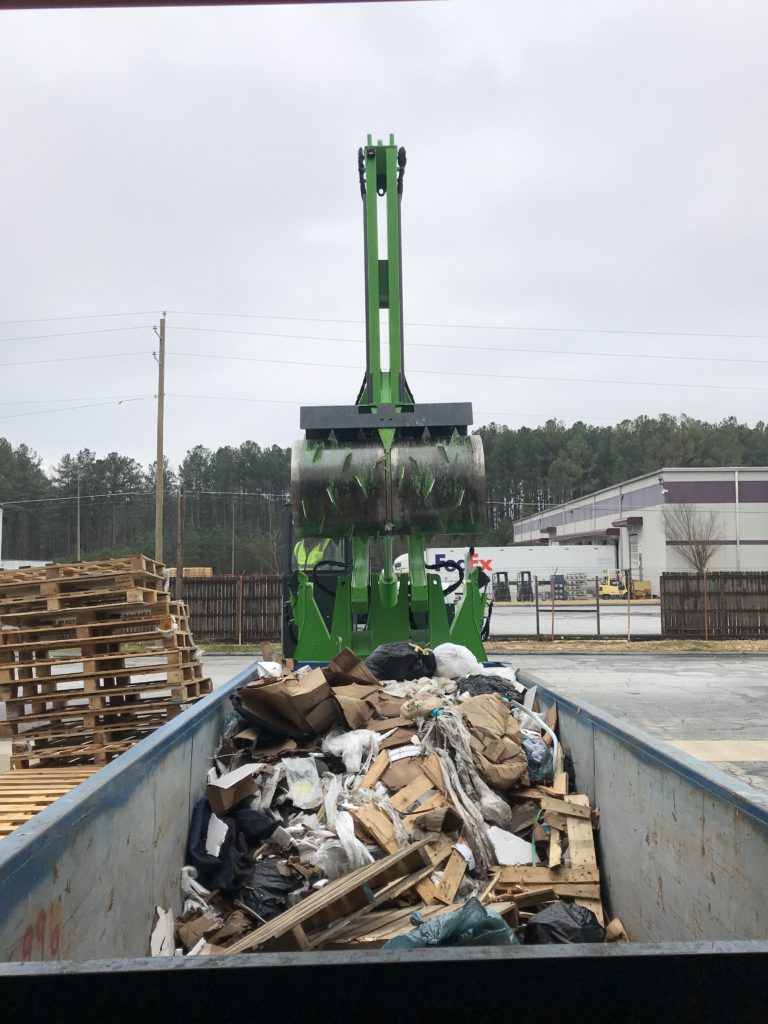
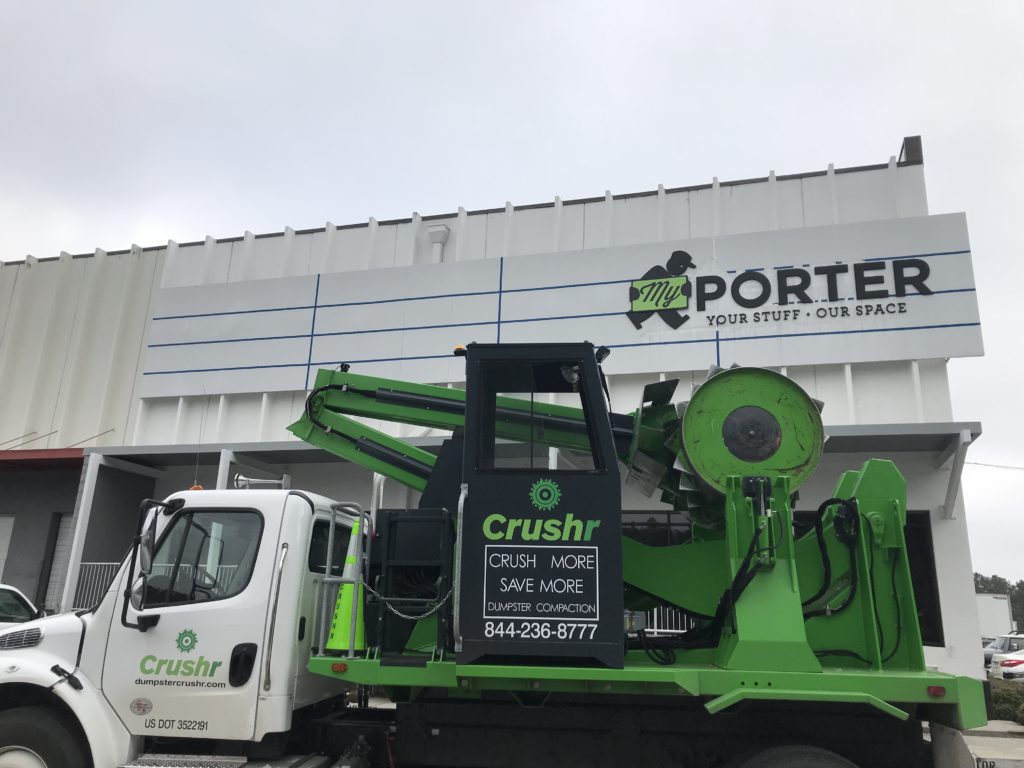
This month we’re excited to honor the Crushr team! The husband-wife team of Shannon & Brandon Reynolds are helping Porter Logistics with our green initiatives and also bringing awesome cost savings to our business. Most people don’t think of trash a large expense, but it really adds up when business is heavy.
When Alex (Crushr technician / sales savant) first visited our facility we were extremely skeptical. He promised us less down time, a better-looking facility, and that he’d save us money.
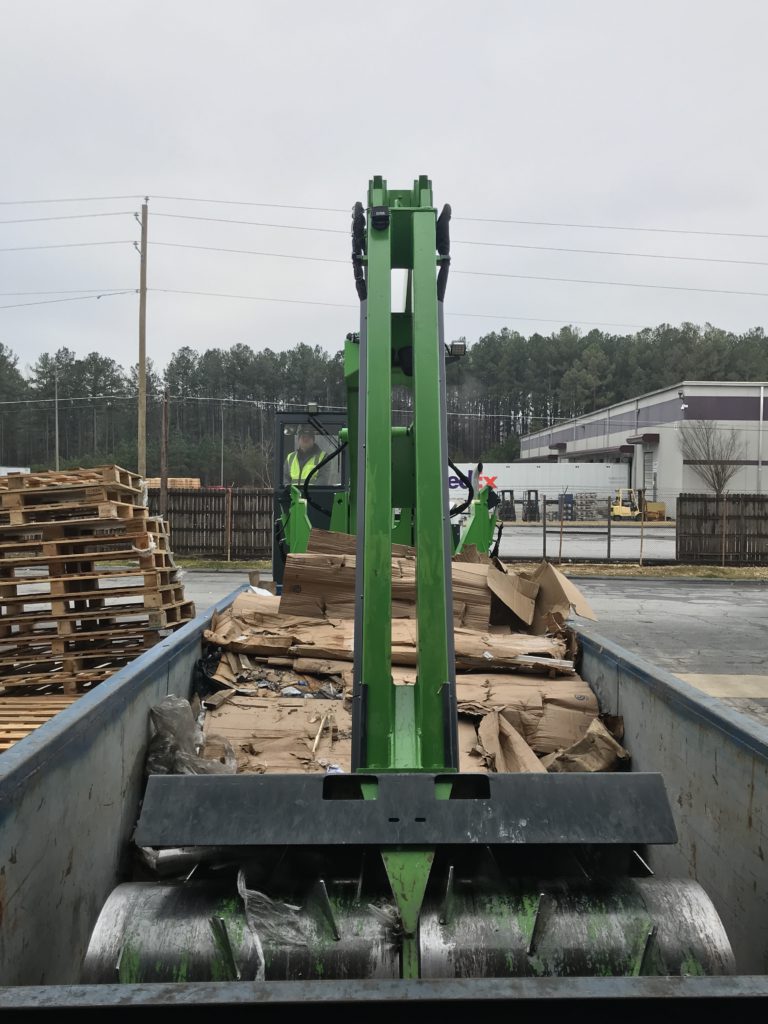
So obviously we told him to get lost and that we didn’t want any of the snake oil he was selling! He’s persistent though and finally we agreed to talk, “OK, what’s this all about?” It’s a deceptively simple idea, the dumpster company comes to pick up trash when the dumpster is full and you get charged. Every time there’s a pickup, a charge follows. But what if you could triple or even quadruple your existing dumpster capacity, and thus reduce your pickups? The answer is Crushr.
We reluctantly agreed to a free demo and were surprisingly impressed with the results!
1. Our dumpster that we thought was full was all of a sudden ¼ full
2. We immediately saved 50{d7339dab55ed5323060567c7cc0251ca0b663d7d8d305770c2b42aa95c409ff9} on our hauling costs
3. The Crushr machine looks really cool so we took some pictures in front of the warehouse (see image)
In terms of cost savings, Crushr has reduced our refuse removal costs by 75{d7339dab55ed5323060567c7cc0251ca0b663d7d8d305770c2b42aa95c409ff9} and as a bonus we’ve been able to promote them as one of our green initiatives to prospective clients. At a cost effective rate, the ROI has been stellar. They’re way more than just an Atlanta dumpster service.
They’ve also been great partners to work with and we’d recommend them to almost any business unless you just hate saving money in which case you definitely should keep paying all that money to your hauling company.
In the fast-paced, sometimes wacky world of logistics we come across fun cross docking projects that are very short-term in nature. Cross docking in Atlanta is a critical component of JIT (Just in time) Logistics that creates efficiencies in the supply chain by avoiding storage costs. Loads come in by container, are put on the “Cross dock,” and then inventory is apportioned to outgoing deliveries for their final destination. Typical time on the dock is less than 48 hours (for more info on Cross Docking, go here.)
Client 1: The United States MINT
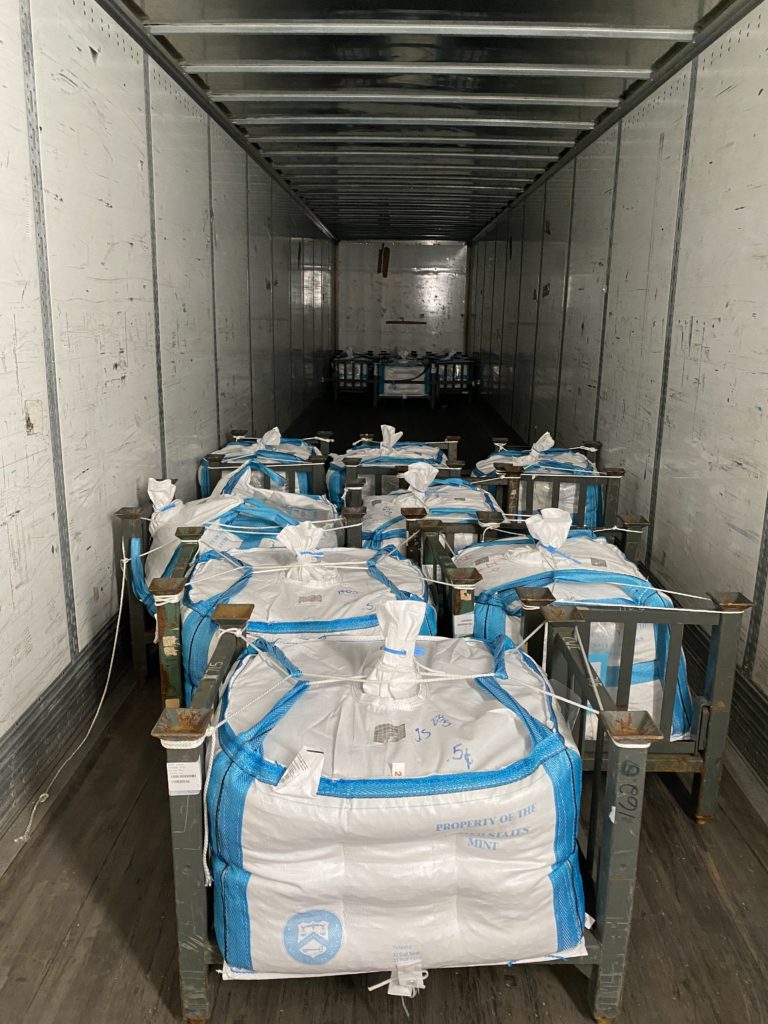
In one of the wackier calls we’ve received, the US Mint reached out to Porter Logistics looking for a home for pallets containing 2000 LB bags of nickels. Yes, that nickel – the one with Thomas Jefferson’s mug all over it and comprised of 75{dcfbef177b452fa95c9a2a231a6698db2b4a56b7c9bd4d99399418f9838d54fe} copper and only 25{dcfbef177b452fa95c9a2a231a6698db2b4a56b7c9bd4d99399418f9838d54fe} nickel (coin needs renaming, anyone?)
Their contracted provider didn’t have the equipment to off-load and thus a steadier hand was needed and for a 36 hour period, Porter Logistics was the proud custodian of a small portion of Uncle Sam’s currency.
Client 2: The Fast and Furious
Vin Diesel called Porter Logistics looking for a brief home for the latest 2 Fast, 2 Furious props.
Just kidding that was a lie, client confidentiality. You understand.
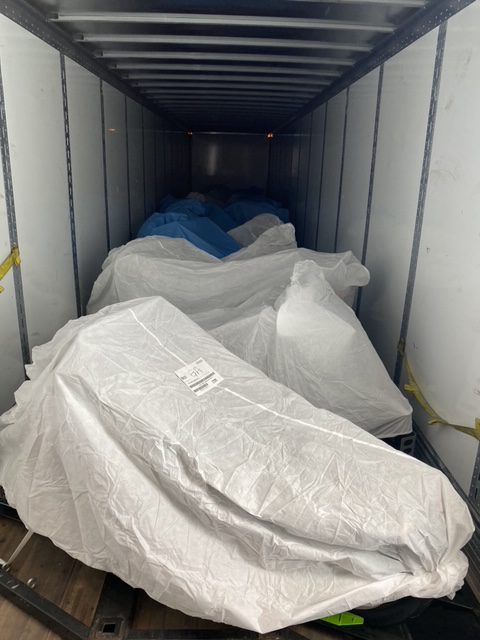
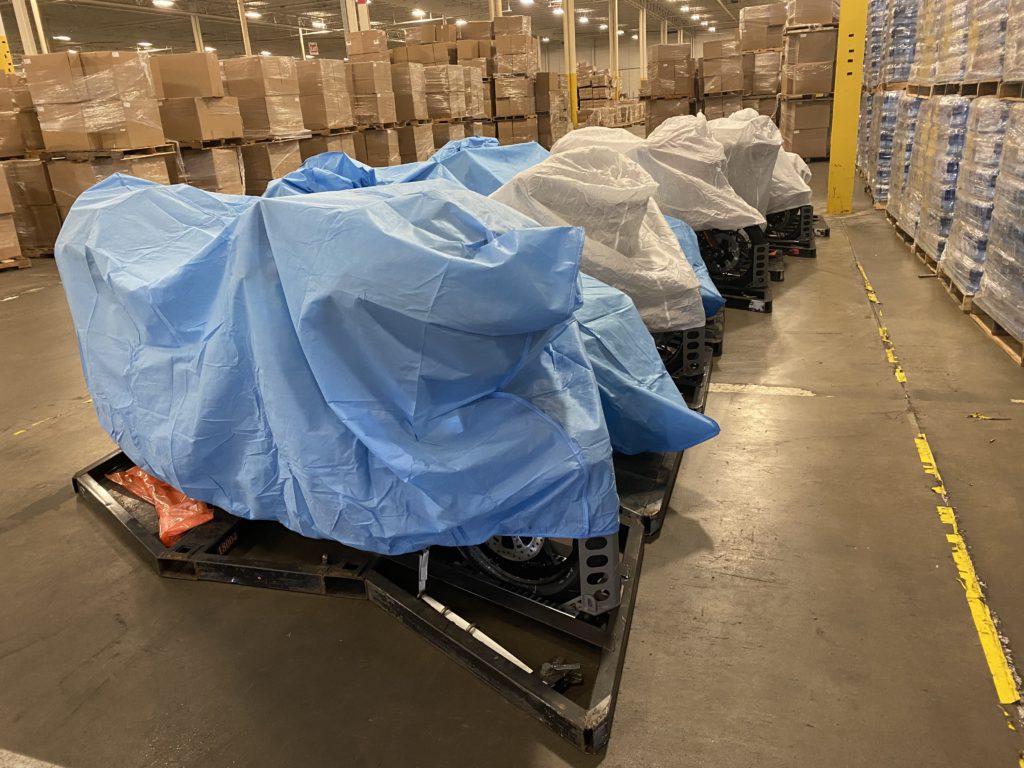
Regardless, at Porter Logistics we like to live our lives a quarter mile at a time. When someone urgently needed a cross docking solution for their high-end motorcycles, Porter Logistics was there to answer the call. This one was problematic, the bikes we’re almost exactly the width of the container and our dock doors. Luckily our operators have the finesse and steady hands of elite-tier brain surgeons (seriously though) and we were able to get the bikes off with no damage.
*Note that Porter Logistics does not endorse street racing, only high-end, quality logistics services.
That concludes the inaugural edition of the Cross Dock Chronicles, look forward to next time.
Cheers,
The Porter Logistics Team
Every month, MyPorter honors one of our broker partners who exemplify excellence in client service and innovative problem-solving approaches within the industrial real estate market.
Porter Logistics works with industrial broker-partners to solve their clients’ pain points when they aren’t served best by traditional long-term leases or sub-leases. Brokers who are tasked with finding solutions under uncertain parameters and length of contract requirements can turn to MyPorter for a flexible suite of warehouse space and logistics services. We compensate industrial brokers for their referrals based on industry standard rates.
In our inaugural award, we would like to honor the broker team of David Dixon & William Monico at NAI Brannen Goddard in Atlanta, Georgia. Below you can find some fun facts and approach to business that makes them so successful as a team.
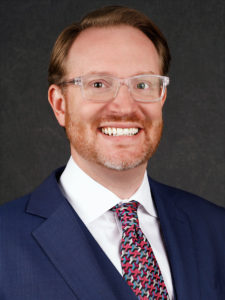
David is a Managing Director at NAIBG and is a long-time industry veteran across multiple commercial real estate verticals. He has received numerous honors from the Atlanta commercial real estate community for his outstanding work, including the 2019 ACBR Phoenix Award for ten consecutive years of membership in the Million Dollar Club. But for David, it’s not all about numbers:
“My greatest source of pride—besides my daughter and best snow-skiing buddy, Poppy—continues to be the loyalty and trust of my clients. More than 90{dcfbef177b452fa95c9a2a231a6698db2b4a56b7c9bd4d99399418f9838d54fe} of those who partner with me become repeat clients, and many become friends. A born-and-raised Atlantan, I’m continually grateful for the opportunity to help fellow entrepreneurs, business owners, and leaders grow their companies and their impact in our community—and in every community they call home“
-David Dixon
Some Stats about David:
Age: 43
Hobbies: Snow skiing; hiking; rock climbing; golf; traveling abroad; spending time with my 8yr daughter
History: Has lived in Atlanta all his life; born in Atlanta and has lived on 3 continents and traveled to 60+ countries
School: Samford University
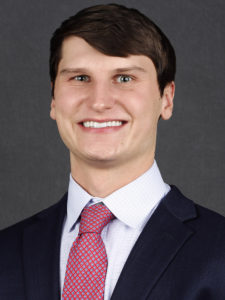
William is an associate with NAIBG and supports David in both landlord and tenant representation. A UGA graduate, William is dedicated to helping both his office and industrial clients find the right solution for their needs.
Some Stats about William:
Age: 24
Hobbies: Golf, Georgia Football, F1 Racing, Gym, Traveling, The Lake
History: Born in Philadelphia but long-time Atlanta resident
School: University of Georgia
Lets get to know David and William:
What does the Dixon-Monico Team do for NAI Brannen Goddard?
What is your Client-Service Philosophy?
Engagement Approach: When prospecting and winning new business the most important part is the relationship with the prospective client. After the relationship is built, William and I pride ourselves on being the best in Atlanta, with our knowledge of the market and owners within the market. We highly value the way we complete each deal.
Why Our Clients Value Us: Clients should and do work with us because of the engagement and personal attention to detail we provide each client, whether they are 200 square feet or 200k square feet. Clients choose to work with us repeatedly because of the professionalism and the way we manage the process after the deal is signed, unlike any other team in the Atlanta market. We will assist our clients with moving references, cabling references, IT providers and architects, etc. We help our clients every step of the way from finding a property until they move into the space.
What do you enjoy about your Industry and NAI Brannen Goddard?
Industry: Our industry provides the freedom to build a business to serve our clients across a wide variety of business fields from mortgage companies to supply chain companies to video/movie production studios. Our main goal is to help our clients save money on one of their biggest expenses on the balance sheet. It is rewarding for us to see the result of hard work and the success of our clients.
NAI Brannen Goddard: NAI Brannen Goddard is the best firm to be partnered with from any other firm because of the leadership and the people within. NAI Brannen Goddard is unique because we are locally owned but have the national reach to handle deals across the country. Every person at NAI is committed to integrity and to serving their clients, while helping them achieve maximum savings for their wide range of real estate needs. NAI is a fun place to work as we enjoy working with one another, and the camaraderie is unlike any other firm I have ever been apart. We are thankful to call NAI our work home.
How has working with MyPorter Commercial benefitted you and your clients?
MyPorter has been a very beneficial solution to our client’s warehousing needs. Our clients are typically growing at a very rapid rate and need to meet demand while they are finishing building a new warehouse or need a flexible solution. MyPorter was the perfect solution when other landlords were not willing to do a short-term lease. Our clients would not have been able to get up and running in the warehouse so quickly without MyPorter’s infrastructure. MyPorter has been a pleasure to work with and cannot recommend them enough for any stopgap or short-term warehousing needs.
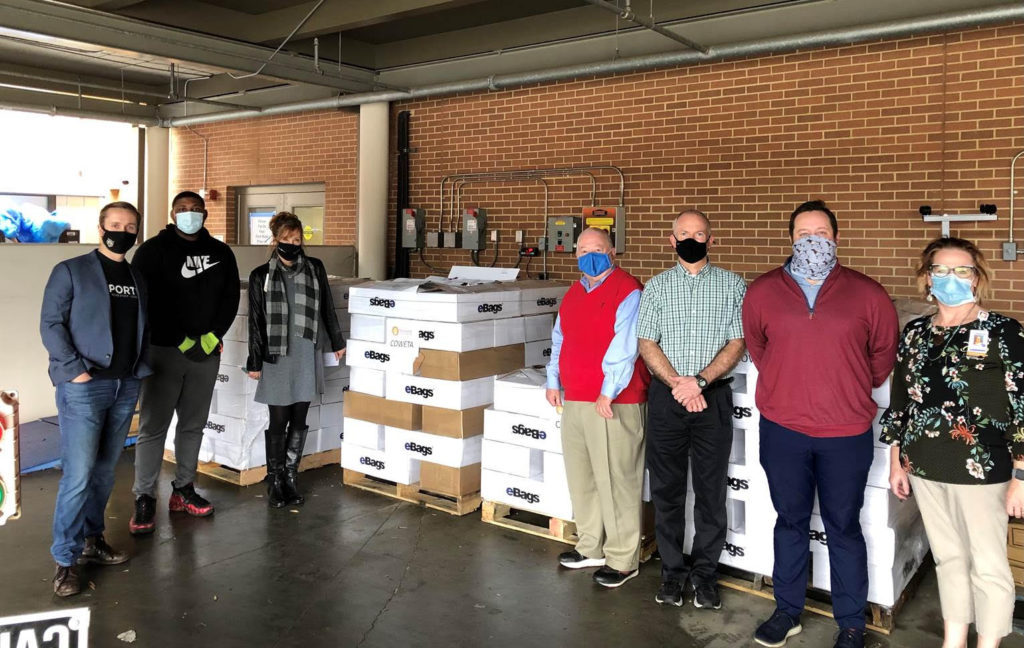
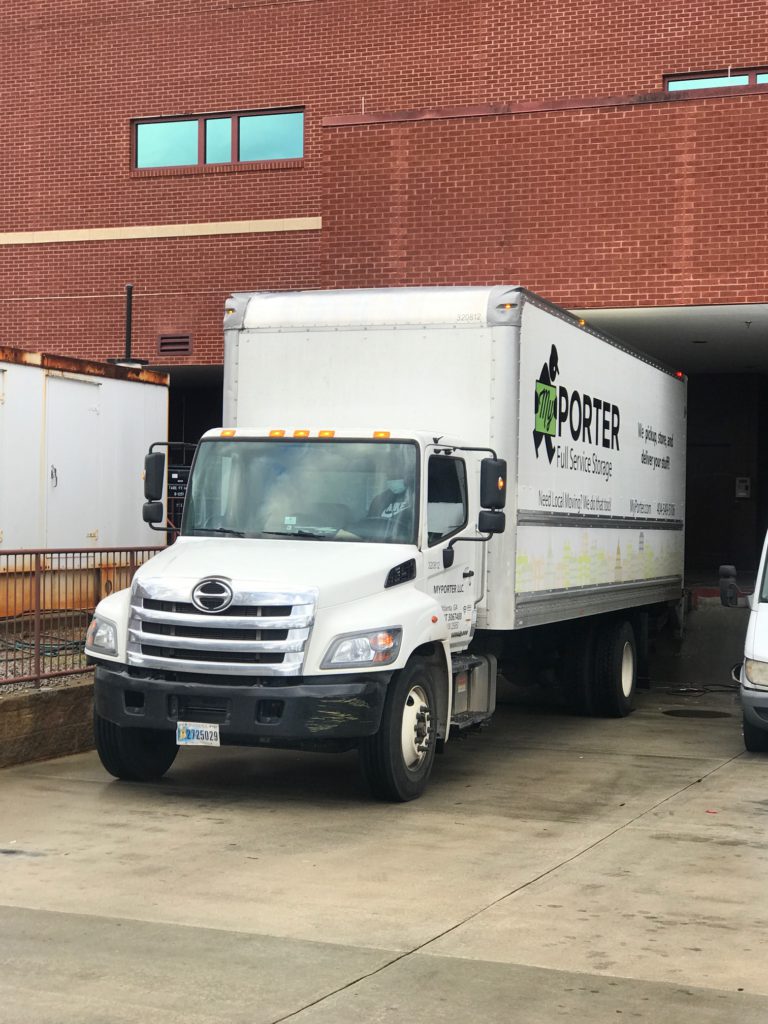
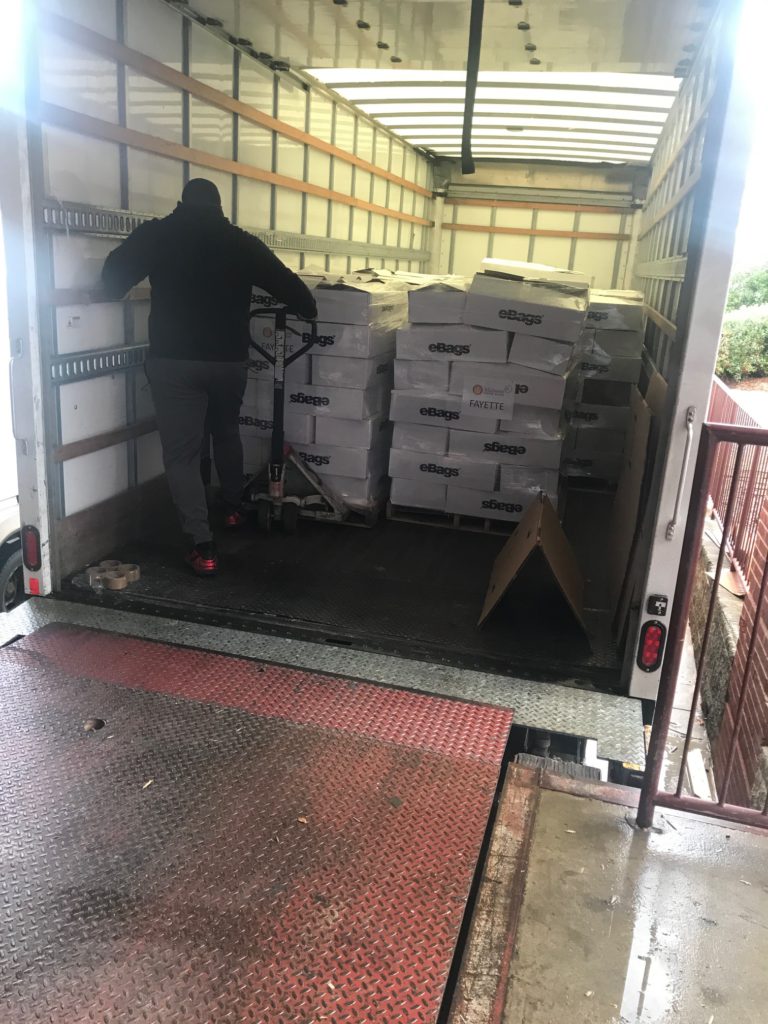
The Midwest Foodbank and St. Matthew Catholic Church of Tyrone planned delivery of care packages consisting of food, thoughtful letters of encouragement, and supplies to Piedmont Hospitals of Newnan and Fayette Counties. Both hospitals have been under immense strain due to the post-holiday surge in COVID-19 in the Georgia and around the country.
Midwest Foodbank and St. Matthew approached MyPorter Commercial regarding the transportation and logistics coordination of transferring pallets of care packages and we were happy to provide pro bono services for such a great cause.
We would like to extend our best wishes to the heroes working at Piedmont Hospital and Hospitals all over the country working around the clock to treat the Nation during this crisis. A special thanks to Midwest Foodbank and St. Matthew Church of Tyrone for letting be a small part of your very special project.
Cheers,
The MyPorter Management Team
Senior Account Executive – MyPorter Commercial

Codee Burton (LinkedIn) is the Senior Account Executive for MyPorter Commercial, changing the way supply chain organizations manage logistics and warehousing.
Codee currently leads all business development efforts for MyPorter’s Commercial Division. He brings extensive experience in the supply chain industry to the MyPorter Commercial team, starting his career at the second-largest freight brokerage in the United States – Total Quality Logistics. In his spare time, he’s also a die-hard Tennessee football fan and a professionally sponsored disc golf player.
What attracted you to the world of logistics?
Logistics is one of the most rewarding arenas to work in. I feel a sincere sense of accomplishment and fulfillment (no pun intended) knowing that my continued efforts play a significant role in getting the consumer the products that they want and/or need. Everything around us, literally everything, was once in a warehouse and at one time or another on a truck.
What life motto do you aspire to live by?
“Make your name a name to remember” – Stan Whitlock
How do you like to spend your free time?
You can find me on a golf or disc golf course nearly every weekend (rain or shine!) When I’m not competing in or preparing for an upcoming tournament, I’m usually on our hunting property.
Favorite aspect of life at MyPorter?
I’m ecstatic about the waves of disruption we are bringing to the market. The industry has never before seen or experienced a service like MyPorter. Coupling decades of experience with a focus on modernized technology and a fresh vantage point on warehousing and logistics makes for an exciting time to be a part of this organization.
Where do you see MyPorter in 5 years?
Major growth is inevitable for MyPorter. The speed in which we are expanding makes it very difficult to put into words in where we will be without selling ourselves short. Global dominance? Maybe. A “household name” in the warehousing + logistics marketplace? Absolutely!
Original Press Release Here

ATLANTA, Jan. 14, 2021 /PRNewswire/ — MyPorter, a provider of B2C storage solutions, announces the formalization of a new division – Porter Logistics – dedicated to providing 3PL warehousing solutions in Atlanta.
Since its Atlanta launch in February 2018, Porter Logistics has expanded their fleet to 13 trucks and have amassed 265,000 sq. feet of warehouse space, offering thousands of direct-to-consumer storage units, and supported by an organization of 20+ full-time employees. MyPorter also partners with independent contractors to facilitate pickups and deliveries. It is currently in the market for warehouse space in both Atlanta and Tampa Bay (its next expansion city).
Porter Logistics formally launched (in stealth mode) in July 2020 following VC investment from Florida Funders and has experienced meteoric growth, eclipsing the direct-to-consumer business in less than six months. Q4’20 revenue came in at 40{d7339dab55ed5323060567c7cc0251ca0b663d7d8d305770c2b42aa95c409ff9} over Q3, driven largely by huge strides in the commercial business.
“Almost immediately after launching MyPorter with outside funding in 2018, we garnered significant interest from the business community despite marketing and selling exclusively via direct-to-consumer channels. Any time you experience organic growth without direct outreach, that is a strong signal there is an untapped market waiting to be serviced. We created the business thesis, our great partners at Florida Funders backed that thesis, and we used that capital to make key hires that have completely transformed our business,” says Chief Revenue Officer and Co-Founder of Porter Logistics, John Foshee.
Porter Logistics fills a hole in the traditional lease / sublease market, a market not served well by existing 3PL’s. Whereas lease and sub-leases are often inflexible and require businesses to adapt their model to a landlord, Porter Logistics offers turn-key logistics solutions with flexible terms and contracts not typically seen in the industry. It uses technology to streamline their client’s logistics operations in what is still seen as a low-tech industry.
“The most exciting feature of Porter Logistics is the limitless growth potential and myriad use cases. Self-storage is a $40 BN market in the United States but third party logistics is almost 6x that size,” said Robert Crump, CEO and Co-Founder of MyPorter. “Our clients consist of distributors, retailers, manufacturers, commercial offices, startups, and much, much more. The common theme is the desire for flexibility and willingness to pay a premium for that flexibility.”
For now, the legacy MyPorter business and Porter Logistics will continue to operate as distinct divisions of MyPorter, Inc with dedicated staff assigned to each business unit.
For more information on MyPorter Commercial, please visit www.porter-logistics.com.
About Porter Logistics
Porter Logistics is a leading Atlanta-based 3PL warehousing provider offering comprehensive third-party logistics services to brands, manufacturers, retailers, and direct sellers across many industries including Consumer Products, Food & Beverage, HAZMAT Chemical, & Bulk Commodity industries.
With Porter Logistics, brands are able to achieve economies of scale, reduce spend, and bring omnichannel operations under one roof to drive revenue growth and reduce complexity in their supply chain.
Their key offerings include:
PRESS CONTACT:
John Foshee
President @ Porter Logistics
[email protected]
SOURCE MyPorter, Inc.
Director of Operations – MyPorter Commercial
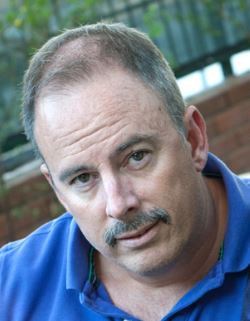
Geno Eckley (LinkedIn) is the new Director of Operations for MyPorter Commercial, changing the way supply chain organizations manage logistics and warehousing.
Geno leads all operations for MyPorter’s Commercial Division. Prior to MyPorter, Geno was VP of Warehousing Operations at Broadrange Logistics, one of the most rapidly scaling 3PL firms in the Southeast. A self described no-nonsense operations and logistics executive and former Recon-Marine, Geno brings 35 years of operations and general management experience to the team. In this article, we wanted to profile our newest member of the team:
What attracted you to the world of logistics?
I started my career out of the Marines as a track and swim coach. I really enjoy developing people and making them believe they can do the impossible. Managing a warehouse floor, truckers, and all of the associated daily chaos is very similar to coaching a sports team or commanding a military unit. When the team isn’t working in unison, it performs poorly. But when everyone is “rowing the boat,” in the same direction, that’s when the magic happens. I find it very rewarding to mold people and teams. After coaching, I was a National Sales Manager and got involved in logistics to resolve issues in deliveries to my customers. My sales philosophy was always very customer-service centric and I took to logistics like a duck to water.
What life motto do you aspire to live by?
I believe there is no more noble of a pursuit than leading by example. The world would get by much better with more servant leaders.
How do you like to spend your free time?
I was fortunate enough to be involved in athletics all my life as both an athlete (semi pro triathlete) and a coach and continue to workout a minimum of four days a week. Being from a big Italian family, I very much enjoy good food, cooking, as well as entertaining.
Favorite aspect of life at MyPorter Commercial?
We are HAVING FUN. I believe MyPorter Commercial is in the formative stages of creating a much BIGGER an BETTER MyPorter that will fill a huge hole in the traditional warehousing model. It is FUN to watch the continued growth and change. It’s a little like building a plane that’s flying forward at 600 MPH.
Where do you see MyPorter in 5 years?
I envision a time in the not so distant future where we are replicating what we have done here in other locations. Objectively I would like to see us open a minimum of one new city every six months. MyPorter Commercial can be a game changer in the 3PL (third party logistics) and supply chain worlds by specializing in our flexibility and can do attitude to assist any size customer with their Warehousing, Inventory Management, and Fulfillment and Distribution needs.